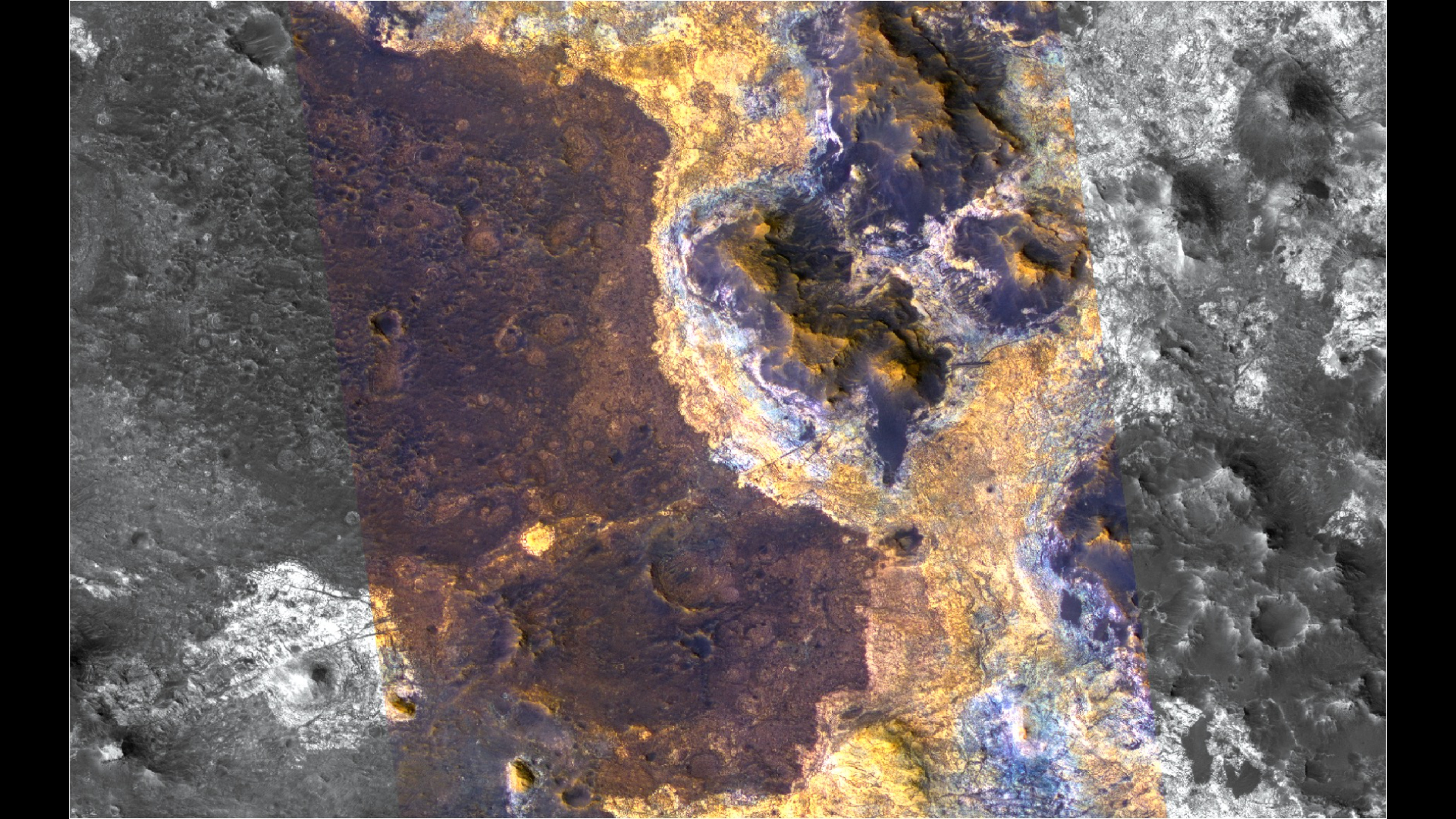
Pluto is a dwarf planet in the Kuiper Belt, a broad region of icy bodies beyond Neptune. Its 2015 encounter with NASA’s New Horizons spacecraft revealed a surprisingly varied world: bright nitrogen ice, water-ice mountains, dark terrain and a thin atmosphere. Pluto remains an important part of the solar system whether it is called a planet or a dwarf planet.
Why it is a dwarf planet
Pluto orbits the Sun and is massive enough for gravity to give it a nearly round shape. The International Astronomical Union classifies it as a dwarf planet because it has not cleared its orbital neighborhood of other objects. This category describes its orbital setting, not whether the world is interesting or scientifically important. Pluto was discovered in 1930 and reclassified in 2006.
Orbit and surface
One trip around the Sun takes about 248 Earth years. Pluto’s orbit is more elongated and tilted than the orbits of the eight planets, and its distance from the Sun changes substantially. At its very cold surface, volatile ices can move between the ground and atmosphere as sunlight changes. The bright heart-shaped region seen in New Horizons images includes Sputnik Planitia, a broad plain rich in nitrogen ice.
Pluto and Charon
Charon is Pluto’s largest moon and exceptionally large relative to Pluto. The two bodies rotate in step with their roughly 6.4-day mutual orbit, keeping the same faces toward one another. Pluto also has four smaller known moons: Nix, Hydra, Kerberos and Styx. Studying this system helps reveal how icy worlds formed and evolved in the distant solar system.
What New Horizons changed
New Horizons flew past Pluto and Charon in July 2015 rather than entering orbit. Its cameras and instruments mapped surfaces, examined the tenuous atmosphere and measured the surrounding environment. It uncovered geological diversity that could not be resolved from Earth, but one fast flyby leaves many questions about the subsurface and long-term changes unanswered.
Explore NASA images and sources
NASA Pluto image gallery · Detailed Pluto surface mosaic · NASA Pluto facts · New Horizons mission. See each image page for its credit.
Return to the Solar System guide.