Status: Planned lunar landing, targeted for 2028. Updated September 27, 2026. Artemis IV is NASA’s current target for the first crewed lunar landing of the Artemis campaign. Earlier versions of the program assigned that role to Artemis III, but the 2026 plan puts a lander integration test in Earth orbit first.
How the flight is designed to work
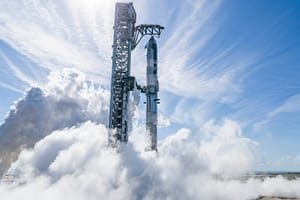
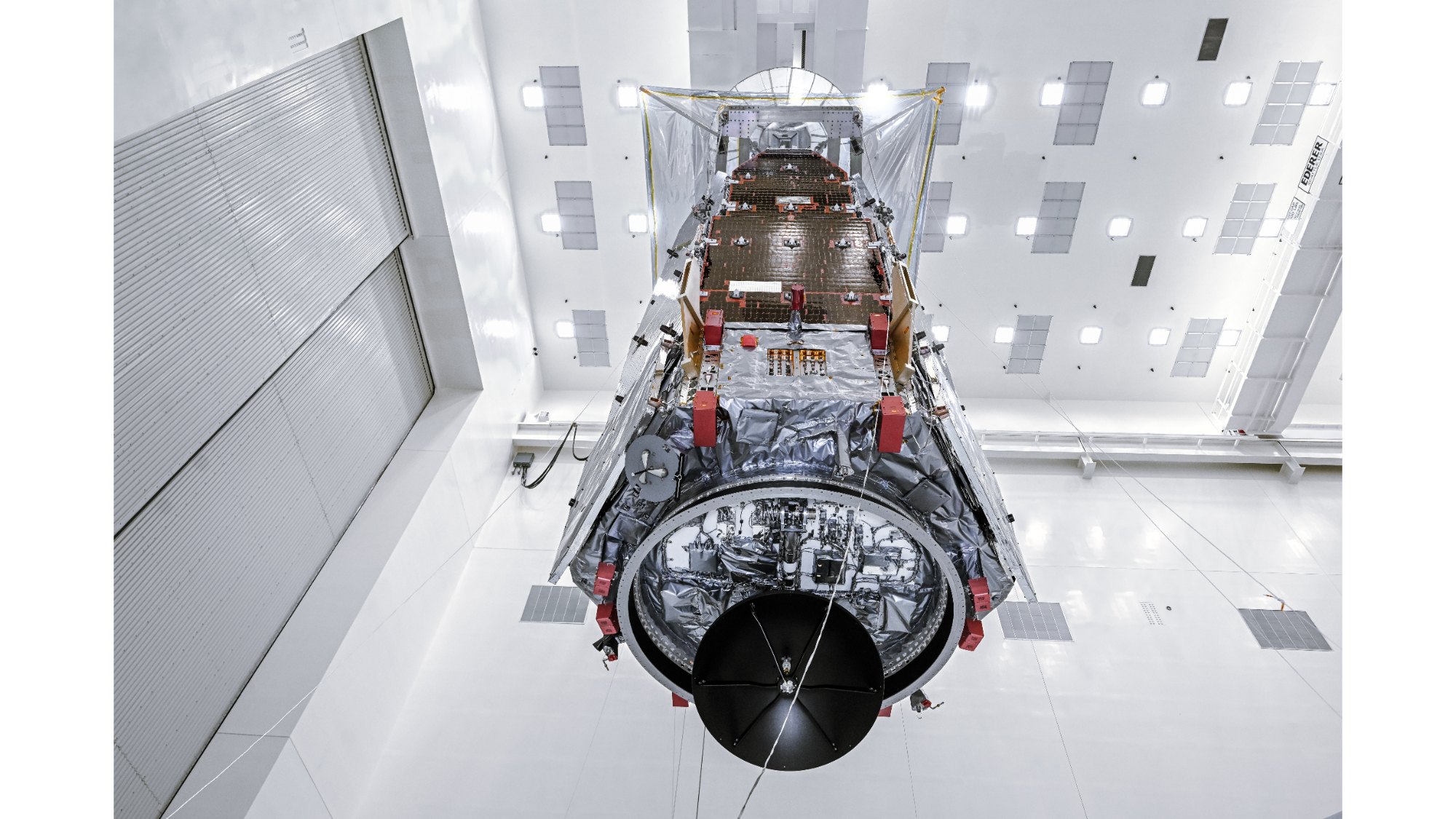
Four astronauts would launch from Kennedy Space Center in Orion atop the Space Launch System. After reaching lunar orbit, Orion would dock with a commercial human landing system. Two crew members would transfer to the lander, descend near the lunar south pole, spend about a week conducting science and collecting samples, then return to lunar orbit to rejoin the other two astronauts. Orion would bring all four home.
The hard part is the handoff
The lunar lander must reach the Moon before the Orion crew arrives. The crew then has to move between two spacecraft in lunar orbit, operate on an unfamiliar polar surface, ascend, and dock again. This is why Artemis III tests Orion’s rendezvous and docking with lander prototypes closer to Earth. Artemis IV also depends on a flight-ready surface spacesuit; NASA lists Axiom Space’s suit for the moonwalks.
Why the south pole?
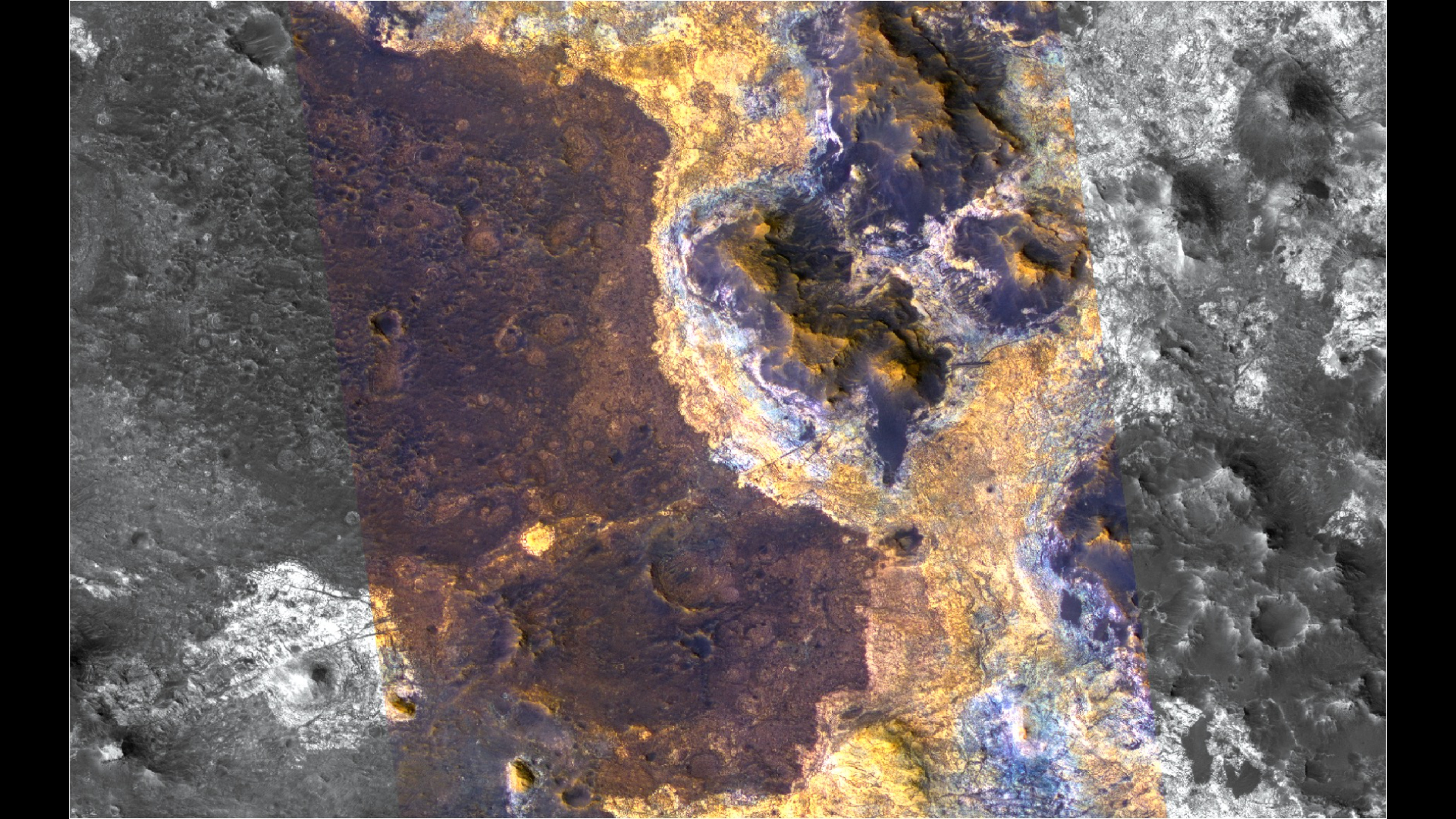
NASA is evaluating landing regions near the lunar south pole, where terrain, illumination and possible volatile deposits offer science and operational opportunities. A specific landing site is not fixed here. The crew’s observations and samples can connect orbital mapping to the actual geology and environment astronauts encounter on the ground.
Status and uncertainty
NASA describes 2028 as a target, not a guaranteed launch date. Lander readiness, uncrewed demonstrations, spacesuits, integrated testing and launch operations all affect the schedule. NASA’s March 2026 decision to pause Gateway in its previous form also means older descriptions of an Artemis IV visit to the orbital station are out of date.
Read the Artemis III test mission, continue to Artemis V, or return to the Artemis overview. Sources: NASA Artemis IV; NASA Artemis campaign; NASA’s 2026 architecture update.